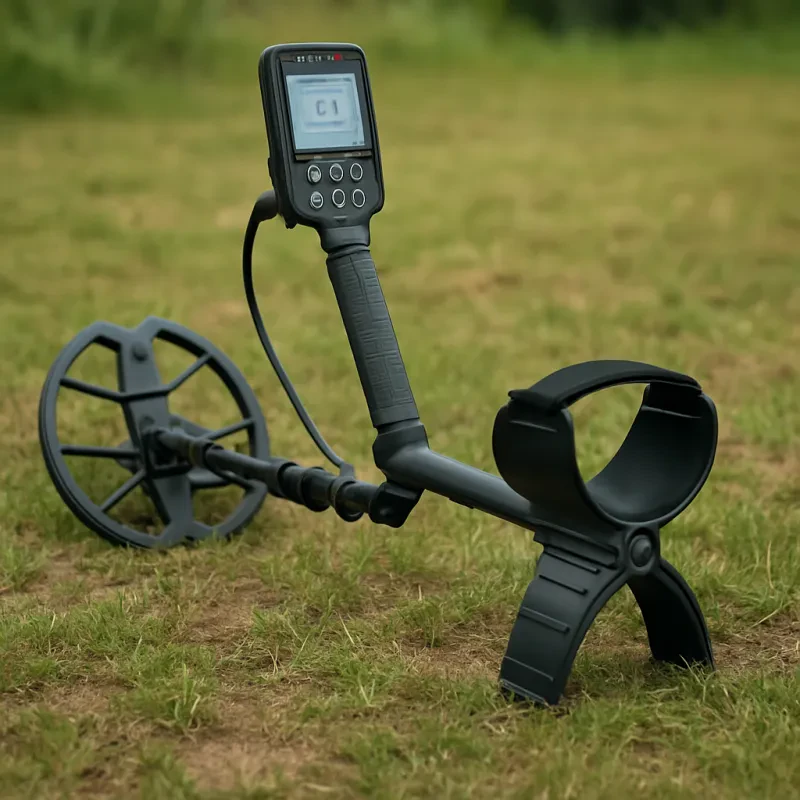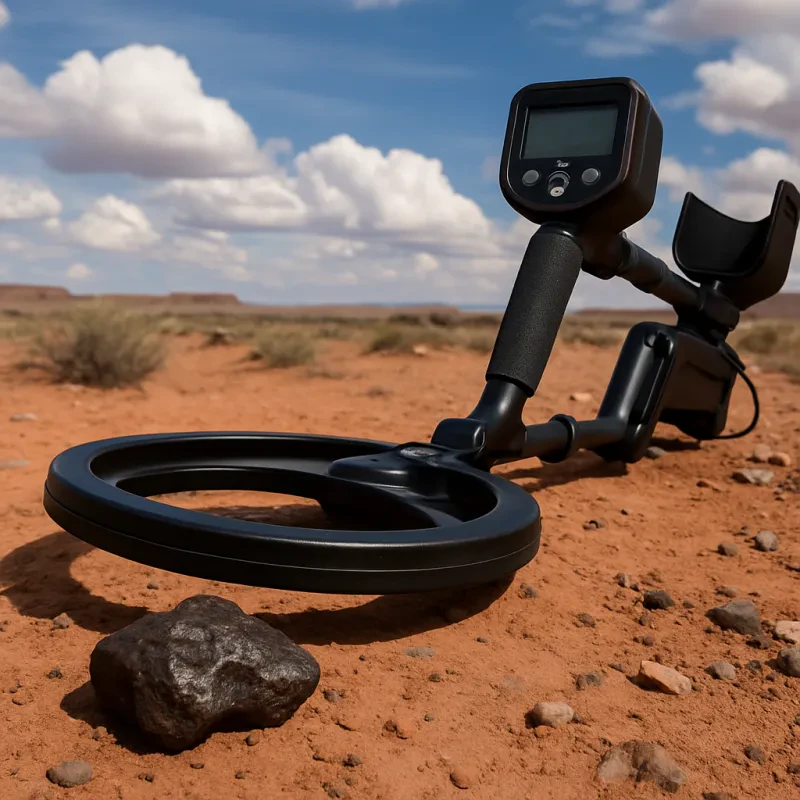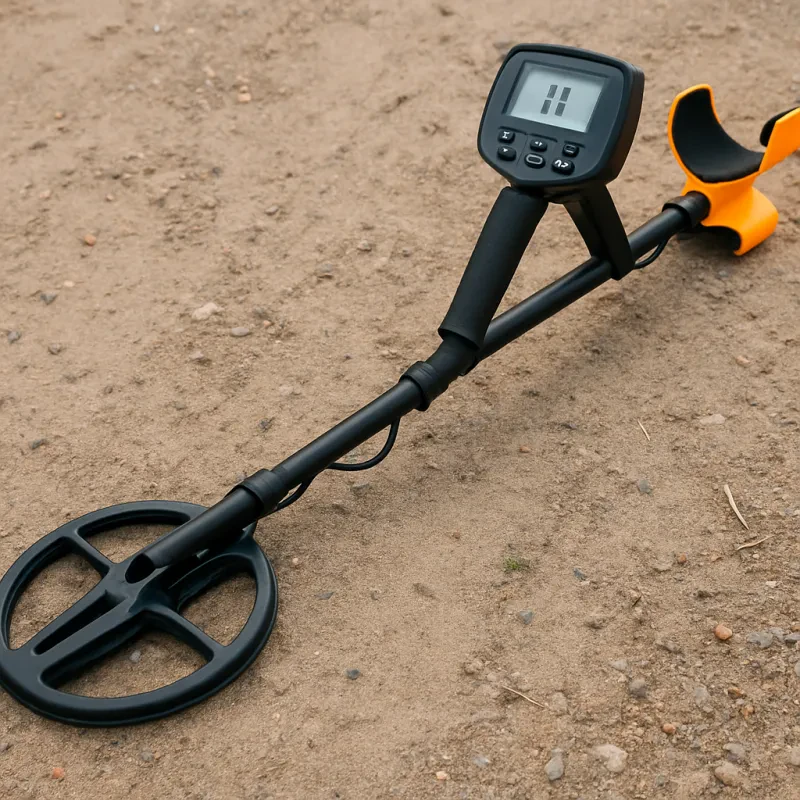
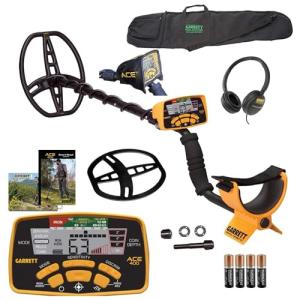
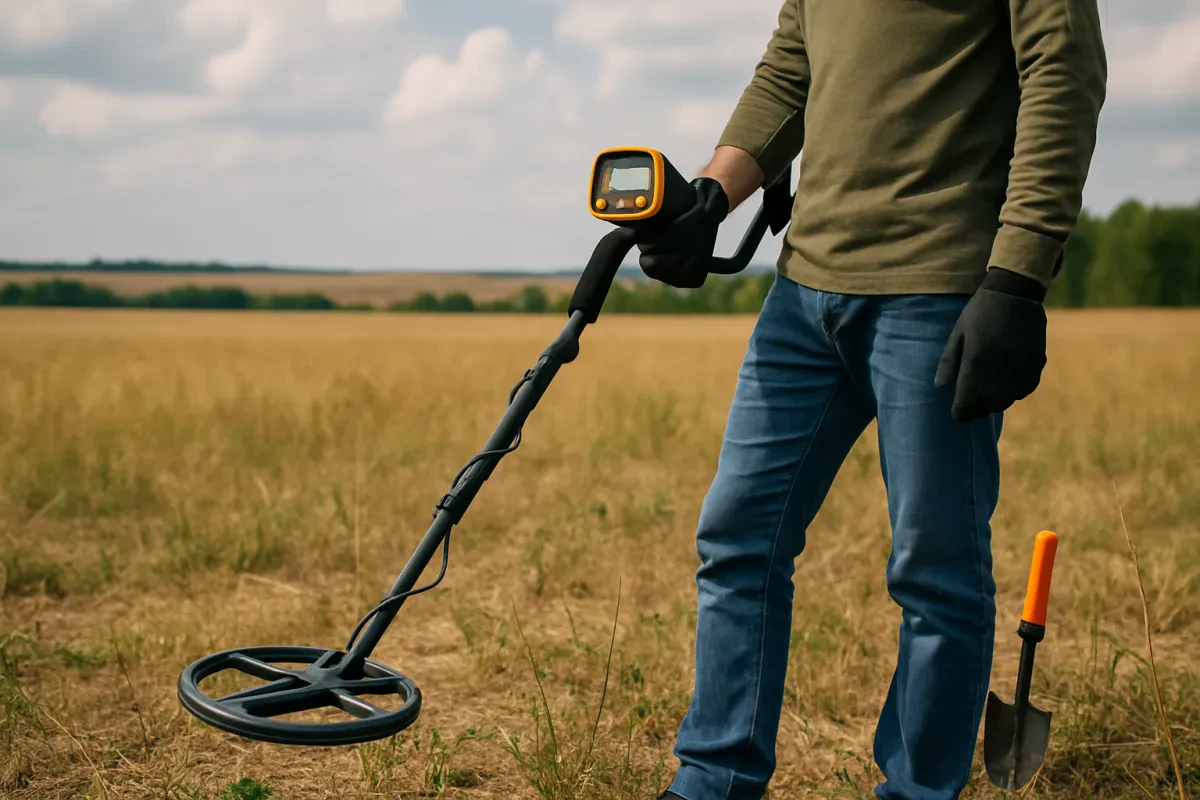
Hobby metal detectors have opened the door to one of the most exciting outdoor pastimes available today. Whether you’re searching for lost coins, historical relics, gold nuggets, or simply enjoying time outdoors, metal detecting combines adventure, history, and technology into one rewarding hobby. With the right equipment and knowledge, anyone can start detecting and potentially uncover fascinating finds hidden just beneath the surface.
In this comprehensive guide, we’ll explore everything you need to know about hobby metal detectors—from how they work and which types are best, to where you can legally detect and how to improve your success rate.
What Are Hobby Metal Detectors?
Hobby metal detectors are electronic devices designed for recreational use to locate metal objects buried underground or hidden within other materials. Unlike industrial or military-grade detectors, hobby models are built for ease of use, portability, and affordability while still offering advanced features.
Most hobbyists use metal detectors for:
-
Coin hunting
-
Relic hunting
-
Jewelry recovery
-
Gold prospecting
-
Beach detecting
-
Cache and artifact hunting (where legal)
Modern hobby metal detectors use electromagnetic signals to detect metal objects and alert the user through sound, visual displays, or vibration.
How Hobby Metal Detectors Work
Understanding how hobby metal detectors function helps users make better purchasing and field decisions.
Electromagnetic Fields Explained
Metal detectors operate by transmitting an electromagnetic field from the search coil into the ground. When this field encounters a metal object, it creates a secondary magnetic field that is detected by the coil.
The detector then:
-
Analyzes the signal
-
Determines the type of metal
-
Alerts the user with tones or visual indicators
Different metals react differently to the electromagnetic field, which is how detectors distinguish between iron, aluminum, silver, gold, and other metals.
Types of Hobby Metal Detectors
Not all hobby metal detectors are the same. Choosing the right type depends on what you plan to search for and where you’ll be detecting.
Very Low Frequency (VLF) Metal Detectors
VLF detectors are the most common and popular among hobbyists.
Best for:
-
Coins
-
Jewelry
-
Relics
-
Beginners and intermediate users
Advantages:
-
Affordable
-
Lightweight
-
Good discrimination between metals
-
Ideal for parks, yards, and fields
Pulse Induction (PI) Metal Detectors
PI detectors send powerful pulses into the ground, making them ideal for extreme conditions.
Best for:
-
Beach detecting
-
Highly mineralized soil
-
Saltwater environments
Advantages:
-
Deep detection
-
Handles mineralization well
-
Great for underwater use
Disadvantages:
-
Less discrimination
-
More expensive
-
Not ideal for trash-heavy areas
Multi-Frequency Metal Detectors
Multi-frequency detectors transmit multiple frequencies simultaneously.
Best for:
-
Advanced hobbyists
-
Mixed environments
-
Gold and coin hunting
Advantages:
-
Superior accuracy
-
Better target identification
-
Excellent depth and sensitivity
Best Hobby Metal Detectors for Beginners
For those new to the hobby, selecting the right detector is critical for enjoyment and success.
Beginner-Friendly Features to Look For
-
Lightweight design
-
Simple controls
-
Preset search modes
-
Clear audio tones
-
Affordable price point
Popular beginner hobby metal detectors typically focus on ease of use rather than advanced customization, allowing new users to learn quickly and stay motivated.
Advanced Hobby Metal Detectors for Experienced Users
Experienced hobbyists often seek detectors with customizable settings and deeper detection capabilities.
Features Advanced Users Prefer
-
Adjustable ground balance
-
Target ID screens
-
Multiple frequency modes
-
Iron discrimination
-
Notch filtering
-
Waterproof search coils
Advanced hobby metal detectors allow users to fine-tune performance based on soil conditions and target type, increasing the chances of valuable finds.
Best Places to Use Hobby Metal Detectors
Knowing where to detect is just as important as choosing the right equipment.
Parks and Public Areas
Parks are popular detecting locations for coins and jewelry, especially near:
-
Playgrounds
-
Picnic areas
-
Sports fields
Always check local regulations before detecting in public spaces.
Beaches and Shorelines
Beaches are ideal for hobby metal detectors, particularly after storms or heavy foot traffic.
Common finds include:
-
Rings
-
Coins
-
Watches
-
Lost jewelry
Saltwater beaches may require a PI or multi-frequency detector for best results.
Old Homes and Private Property
With permission, private property can yield excellent results.
Look around:
-
Old walkways
-
Clothesline areas
-
Large shade trees
-
Former gathering spots
Fields and Historical Sites
Relic hunters often use hobby metal detectors in old fields, farms, and historic areas—always ensuring legal compliance.
Legal and Ethical Considerations for Metal Detecting
Responsible detecting protects the hobby and preserves history.
Laws and Permissions
Before using hobby metal detectors:
-
Check local and state laws
-
Obtain written permission on private land
-
Avoid protected archaeological sites
-
Follow park and beach regulations
Ethical Metal Detecting Practices
-
Fill all holes neatly
-
Remove trash
-
Respect historical artifacts
-
Leave the area better than you found it
Essential Accessories for Hobby Metal Detectors
The right accessories can significantly enhance your detecting experience.
Common Metal Detecting Accessories
-
Pinpointer: Helps locate targets precisely
-
Digging tools: Hand trowels or sand scoops
-
Finds pouch: Keeps trash and treasures organized
-
Headphones: Improves audio clarity and battery life
-
Protective covers: Extend detector lifespan
Accessories often make the difference between frustration and success in the field.
Tips for Success with Hobby Metal Detectors
Improving your technique is just as important as equipment choice.
Learn Your Detector
Spend time understanding:
-
Audio tones
-
Target ID numbers
-
Sensitivity settings
-
Discrimination levels
Use Proper Swing Technique
-
Swing slowly and evenly
-
Keep the coil close to the ground
-
Overlap swings slightly
-
Avoid lifting at the end of each sweep
Dig Everything at First
Beginners should dig most signals to learn how different metals sound. Experience improves discrimination skills over time.
Common Finds with Hobby Metal Detectors
One of the joys of metal detecting is never knowing what you’ll uncover.
Typical Hobbyist Finds
-
Modern coins
-
Old silver coins
-
Costume and fine jewelry
-
Military relics
-
Buttons and buckles
-
Aluminum and iron scrap
Every outing offers the potential for history, treasure, or both.
Gold Prospecting with Hobby Metal Detectors
Some hobby metal detectors are specifically designed or adapted for gold hunting.
What Makes Gold Detecting Unique
-
Gold produces weaker signals
-
Requires higher frequencies
-
Mineralized soil can interfere
Using specialized detectors and coils increases success when prospecting in gold-bearing regions.
Maintaining Your Hobby Metal Detector
Proper care ensures long-term performance.
Maintenance Tips
-
Clean the coil after each use
-
Store in a dry location
-
Remove batteries when not in use
-
Check cables and connections
-
Use protective covers
Regular maintenance protects your investment and ensures consistent results.
Why Hobby Metal Detectors Are Growing in Popularity
Metal detecting continues to grow as a hobby due to its accessibility and appeal across all age groups.
Reasons for Popularity
-
Affordable entry-level options
-
Combines technology and outdoor activity
-
Family-friendly pastime
-
Educational and historical value
-
Potential for valuable finds
Social media, YouTube, and online communities have also fueled interest in hobby metal detectors worldwide.
Hobby Metal Detectors for Kids and Families
Metal detecting is a fantastic family activity.
Kid-Friendly Features
-
Lightweight designs
-
Simple controls
-
Adjustable shafts
-
Fun target tones
Introducing children to hobby metal detectors encourages outdoor exploration, patience, and curiosity about history.
Frequently Asked Questions About Hobby Metal Detectors
Are hobby metal detectors expensive?
Prices range from under $100 for basic models to over $1,000 for advanced detectors. Most hobbyists find excellent options in the $200–$500 range.
Can hobby metal detectors find gold?
Yes, especially models designed for gold prospecting or those with high-frequency capabilities.
How deep can hobby metal detectors detect?
Depth varies based on soil conditions and target size but typically ranges from 6 to 12 inches for coins, deeper for larger objects.
Final Thoughts on Hobby Metal Detectors
Hobby metal detectors offer a unique blend of adventure, technology, and discovery that few hobbies can match. Whether you’re scanning a beach for lost jewelry, searching an old field for relics, or simply enjoying a peaceful day outdoors, metal detecting provides endless opportunities for excitement and learning.
With the right detector, proper technique, and respect for laws and ethics, hobby metal detecting can become a lifelong passion. As technology continues to advance, hobby metal detectors are becoming more powerful, affordable, and user-friendly—making now the perfect time to start or expand your detecting journey.